
Mold Damage Restoration
With mold damage restoration, mold is removed first, then affected drywall, floors, insulation and other materials are fixed or replaced.
See mold damage restorationYour plan for mold after a fire in Agua Dulce should trace water, separate soot work and confirm drying before repairs.
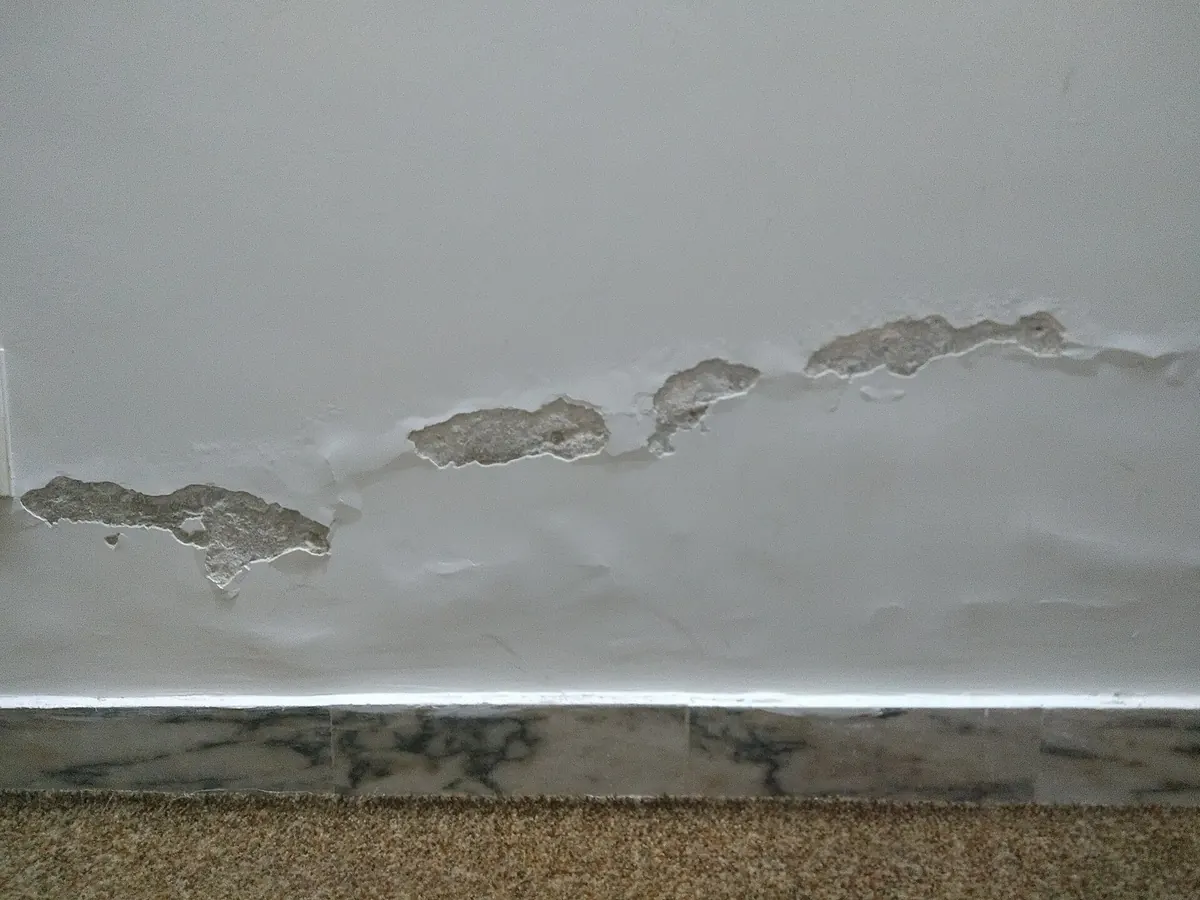
This cleanup targets growth and wet materials left by firefighting water, roof damage or plumbing damage. Smoke and fire work remains separate.
Walls, flooring and an attic may be soaked by water used to put out fire. Wet insulation or framing may remain in rooms with little fire damage.
Board-up, mold removal, fire restoration, rebuilding and drying should be separated in a written scope of work. Repairs, containment and materials should be identified in the scope.

Have testing completed by an independent assessor, not by the removal company.
Trace water in walls, the attic and lower areas such as a basement or crawl space.
Separate board-up, soot work, removal, drying, repairs and rebuilding.
Ask about barriers, negative air pressure and the waste route.
Look at porous construction materials in all places reached by rain or hose water. Typical areas of concern include:
Roof protection and leak repair must stop rain before attic materials can dry.
Leave impacted HVAC equipment turned off. Airflow can transport particles beyond the affected space.
Water can remain under flooring, cabinets or subfloor after surfaces feel dry.
Hose water travels through openings. Moisture readings track dampness outside the room where burning occurred.
Your first concern is fire and structural safety. Do not go inside restricted spaces or disturb visible growth.
Call (844) 352-3560Published guides do not price this fire-related job separately. Fixr lists $1,500 to $9,000 for typical mold remediation and $10,000 to $20,000 for severe restoration. Bob Vila lists damage repair after remediation at $2,000 to $20,000 and credits Angi and HomeAdvisor for the data. These guide prices do not represent a property-specific quote.
These ranges come from published national cost guides, not from a site visit. Following an on-site assessment, the property price should be explained to you before any work begins.
Ask about cost: (844) 352-3560The wording in the policy controls coverage tied to sudden and accidental water damage or fire. Delays, limits or maintenance problems may reduce payment.
California's Toxic Mold Protection Act includes a landlord written-disclosure section (Health and Safety Code 26147). By its own wording it applies only after the state adopts mold exposure standards, and the state health department has said it could not set them. Keep fire, drying, mold and repair records together for later questions.
Keep photos, moisture readings, the scope, invoices and clearance report. Get approval before disposal.
Report without delay. Find out whether the claim includes mold work and whether it has a sublimit.
Under California's housing law, visible mold found by a health officer or code enforcement officer can make a rental substandard. Renters can contact their local health or code enforcement department to ask for an inspection. Keep notices about water, growth, access and repairs. The lease and local rules may affect payment.
The sequence starts with assessment. Containment, removal, cleaning and drying come next, then verification.
Water paths through floors, walls and an attic are traced using a moisture meter and selective openings.
An air filtration device and poly sheeting may be used to hold negative air pressure.
Protective equipment limits exposure during removal, together with the HEPA air scrubber.
If cleaning and drying fail, disposal may include porous carpet, drywall, ceiling tile and insulation.
Cleaning sound framing and non-porous surfaces includes HEPA vacuuming and damp wiping. No antimicrobial treatment replaces cleaning.
The drying process is supported by air movers, dehumidifiers, relative humidity and moisture readings.
Final cleaning comes before removing barriers. An assessor independent of the removal company should conduct clearance testing and air sampling.

Call whenever you need. A mold after fire damage specialist takes your call, discusses what you see and outlines what comes next.
Water in multiple rooms, concealed spaces, ventilation equipment or contaminated debris creates greater risk.
A dry surface does not confirm dryness in insulation, framing or the subfloor. Moisture readings direct assembly openings.
Some people experience allergy or asthma symptoms triggered by mold. People with weak immune systems, asthma or lung disease are more at risk.
A HEPA air scrubber, negative air pressure and poly sheeting contain particles when walls are opened.
Can you clean it yourself? An area under about 10 square feet is often suitable for homeowner cleanup under EPA guidance. Contaminated water, HVAC involvement, hidden spaces and widespread damage require professional help.
Sound materials do not need removal when they can be fully cleaned and dried. Porous material often cannot be saved when growth is embedded.

How long work takes depends on repairs, drying, containment, wet materials, access and safety. Set the schedule after moisture mapping.
Smoke can cover up a musty odor. Adding fragrance does not solve the source of either smell. Soot requires fire cleanup, and correcting moisture plus cleaning addresses mustiness.
EPA guidance recommends indoor relative humidity below 60 percent, with 30 to 50 percent preferred. A dehumidifier is useful, but it does not eliminate the need to correct leaks or trapped water.
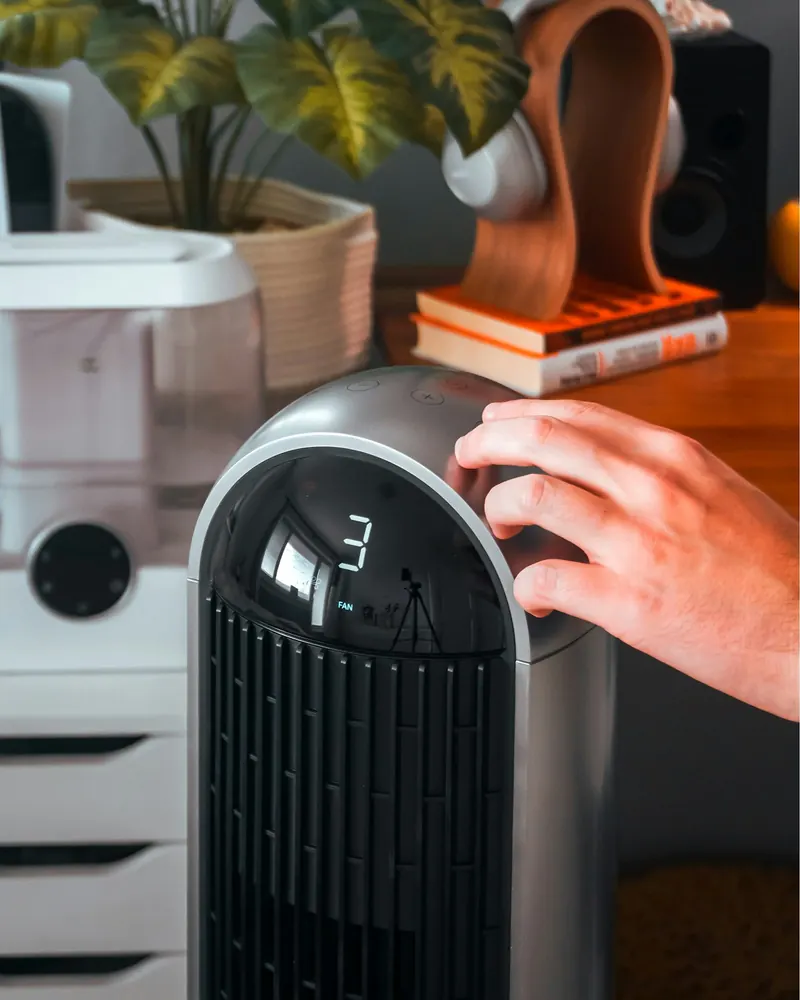
The full mold after fire damage guide covers what is cleaned or removed, odor and air quality work, and the rules that apply in California.
Read the full mold after fire damage guideLocal humidity and housing, along with access to your property, can influence mold cleanup planning, moisture control and containment.
With renter occupancy at 11 percent, owner occupied homes make up most of the local housing, and checking the full property can reveal moisture beyond the first visible patch.
With housing centered on a 1982 build year, mold removal may require checking wall cavities, attic insulation, basements, or crawl spaces for moisture that is not visible.
In Agua Dulce, 98 percent of homes are single-family, so an isolated mold patch may point to a larger roof, plumbing, ventilation, or drainage issue.
A 32 percent share of seniors living alone makes musty odors, ceiling marks, and damp flooring useful warning signs to record and investigate promptly.
During your call, ask whether mold cleanup is available in surrounding communities and ZIP codes.
With mold damage restoration, mold is removed first, then affected drywall, floors, insulation and other materials are fixed or replaced.
See mold damage restoration
Water damage mold cleanup removes mold that grows after a leak or flood and dries the structure so it does not return.
See water damage mold cleanup
The mold remediation process isolates the affected area, clears and cleans mold growth and then addresses the cause of the moisture.
See mold remediation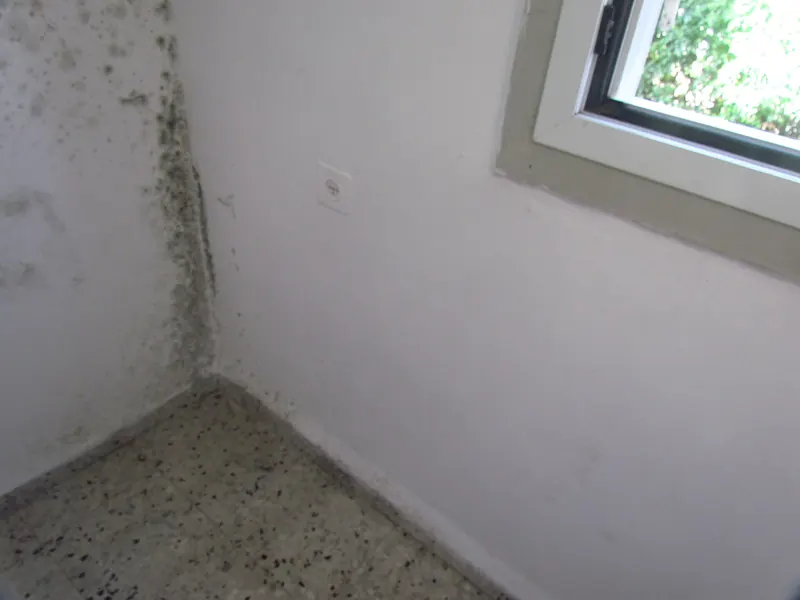
The source of a musty smell is located and treated during mold odor removal so the smell does not return.
See mold odor removal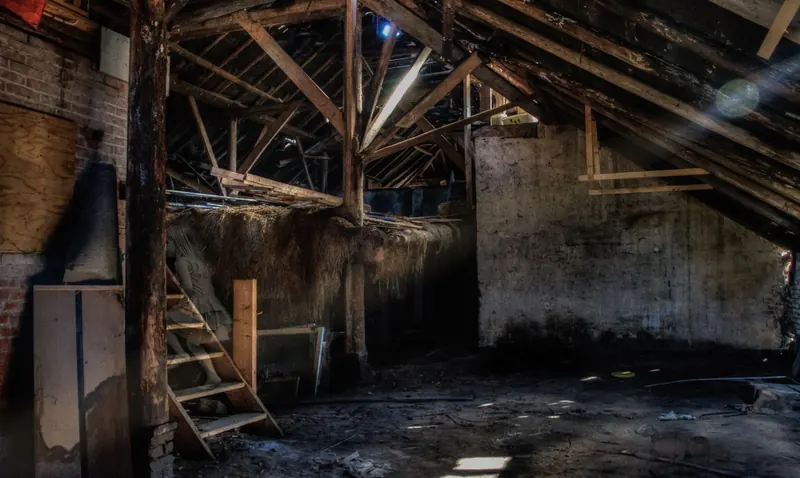
Insulation mold removal takes out wet or moldy insulation in attics, walls and crawl spaces so it can be replaced after cleaning.
See insulation mold removal
Wall and drywall mold removal cuts out and replaces mold-damaged drywall and cleans the framing inside the wall.
See wall and drywall mold removal
Through attic mold removal, a crew cleans insulation, roof sheathing and rafters and points out the airflow problem or leak behind the growth.
See attic mold removal
After removal, mold clearance testing combines air sampling with visual examination to confirm cleanliness in the affected area.
See mold clearance testingUnresolved roof openings, plumbing damage, trapped water and high humidity can allow growth to return. A sound plan fixes the moisture source, monitors drying through readings and verifies dryness before rebuilding. Maintain relative humidity indoors under 60 percent.
Coverage varies based on your policy terms, the water source and the fire claim. Ask whether remediation follows a covered sudden and accidental event, whether mold coverage limits apply and what documentation is required. Ongoing leakage, maintenance neglect and delayed action can receive different treatment.
When it is safe to enter, protect wall and roof openings, correct leaks and begin the drying process. Clear standing water and track damp materials using moisture readings. Keep walls open and delay new finishes until materials dry after fixing the moisture source.
Wherever firefighting water flowed, use a visual inspection together with moisture mapping first. Targeted openings may expose wet cavities, while a moisture meter checks building materials. Use thermal imaging to find temperature patterns for closer examination, not to determine by itself whether mold exists.
Materials may remain damp from broken pipes, rain entering roof openings or firefighting water. Not every space inside walls, attics or floors is dried by fire heat and smoke. Moisture mapping needs to extend past the burn area to find wet drywall, insulation, framing and cabinets.
Use the drying guidance instead of predicting a fixed growth time. EPA guidance recommends drying water-damaged items and spaces within 24 to 48 hours to prevent mold growth. Material, temperature, moisture and earlier conditions all affect what happens indoors.
Calls about mold after fire damage are answered 24 hours a day, so you can receive clear and practical guidance.